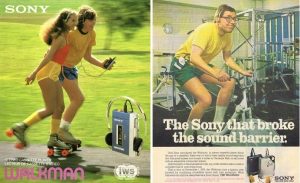
I bought a Sony Walkman cassette player in 2024. Here’s what nobody tells you.

In 2024, I acquired a Sony Walkman cassette player, an experience that merits discussion. Despite its nostalgicThe Walkman isn’t just nostalgia bait. But it’s not for everyone either.
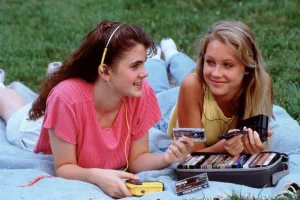
in the park, retro-style Sony Walkman player

Okay so I’ll be real — I didn’t buy a Walkman because it’s “trendy” or because I wanted to post aesthetic pictures of it on Instagram. I bought one because I was genuinely curious. My dad used to talk about his old Sony WM-2 like it was some kind of sacred object, and cassettes started showing up at thrift stores again for basically nothing.
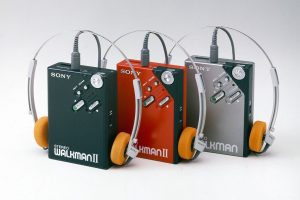
The legendary Sony WM-2 model, released in 1981

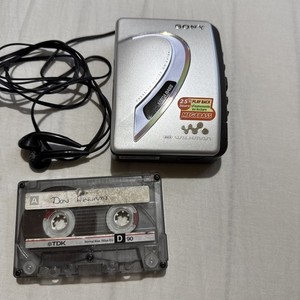
So I grabbed a used Sony WM-EX194 off eBay for like $35 and a handful of tapes, and I’ve been using it on and off for the past few months.
Here’s the honest breakdown.
A close-up of a real Sony WM-EX194 model

First, what even is a Walkman?

Sony launched the original Walkman in 1979 and it basically changed how people relate to music. Before it, listening to music was a sit-down activity. The Walkman made it portable, personal, and private. You could walk down the street wrapped in your own soundtrack. That was genuinely revolutionary at the time. By the 80s and 90s Sony had sold hundreds of millions of these things worldwide. It wasn’t just a product — it was a cultural shift.
The very first blue-and-silver Sony Walkman TPS-L2 from 1979
The cassette format itself is simple: a plastic shell with two reels of magnetic tape. You press play, the mechanism pulls the tape across a magnetic head, and sound comes out. No batteries needed for the tape itself — just for the motor and the headphone amp. That’s basically it. No Bluetooth, no app, no algorithm. Just a physical object playing a physical medium.
“The Walkman forced me to just… sit with an album. No skipping. No queue. Just the record as it was meant to be heard.”

What it’s actually like to use in 2024

Using a Walkman today is weird in a good way and a frustrating way simultaneously. On the good side: there’s something genuinely different about putting in a cassette. You pick an album, you commit to it, you flip it when Side A ends. That limitation ends up being kind of freeing? I found myself actually listening to full albums again instead of shuffling through playlists on autopilot. For someone who grew up with streaming, that felt almost radical.
The sound quality depends massively on the tape itself. A brand new Type II tape recorded at proper levels sounds surprisingly warm and decent — not audiophile quality, but nothing to be embarrassed about. Old thrift store tapes? Hit or miss. Some are degraded, some have been stored badly, and you’ll get dropouts and hiss. It’s part of the experience, honestly, but don’t expect crisp highs. The Walkman has a natural warmth and softness that some people love and others find muddy.
Battery life on older units is not great. My WM-EX194 eats two AA batteries in maybe 10–12 hours of continuous use. That’s manageable but not something you ignore. Modern rechargeable AAs help, but it’s another thing to think about when you’re already used to your phone going 20+ hours on a charge.

Pros

  • +Forces intentional, focused listening
  • +Warm, analog sound that’s genuinely pleasant
  • +Tapes are cheap — lots of albums under $5
  • +No notifications, no algorithm, no distractions
  • +Physical object you actually interact with
  • +Great conversation starter

Cons

  • Battery consumption is real
  • No skipping tracks easily
  • Sound quality varies wildly by tape
  • Bulk — it’s a brick in your pocket
  • Finding specific albums can take time
  • Tape heads need cleaning regularly

The nostalgia trap

Here’s the thing I want to push back on: a lot of the Walkman revival is people buying one, posting about it, and never actually using it. The novelty wears off. If you’re buying it as an aesthetic prop, save your money. But if you’re actually curious about a different way of listening — slower, more deliberate, more committed — then it delivers that. It genuinely changed how I approach albums, at least for a while.

I still use Spotify every day. The Walkman hasn’t replaced anything for me. It’s more like a separate mode — the way some people have a reading chair that’s different from where they scroll their phone. Different context, different headspace.

Should you get one?

If you’re into music history, curious about analog audio, or just want a break from the infinite scroll of streaming, yeah — especially if you can grab one cheap. Budget around $20–$50 for a decent used unit. Check that the belts haven’t snapped (common issue on old units), get a head cleaning kit, and grab a few tapes of albums you actually love.

Don’t go in expecting modern audio performance. Go in expecting something different. That’s what it delivers.
Bottom line
The Sony Walkman isn’t a comeback story — it never fully went away for the people who actually cared. It’s a machine that does one thing and makes you think about music differently because of that. For $30–$50 and a handful of tapes, that’s a worthwhile experiment for anyone curious enough to try it.

Leave a Comment

Your email address will not be published. Required fields are marked *