
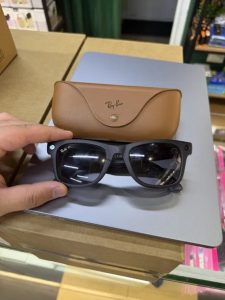
I tried on a pair of Ray-Ban Meta glasses at a store last week, almost as a joke. My friend had been talking about them for months and I kept brushing it off — glasses with a camera built in seemed like one of those things that sounds cool until you actually use it. But standing there in front of the mirror, wearing what looked like a completely normal pair of sunglasses, I’ll be honest: I was a little surprised. They didn’t feel weird. That was unexpected. That moment got me thinking about how far this category has actually come.
Remember Google Glass?
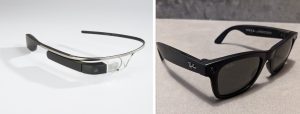
Most people do, and not fondly. It launched around 2013 with a lot of hype, and then kind of… faded. The design was awkward, the price was ridiculous — around $1,500 — and wearing them in public made you look like you were auditioning for a dystopian movie. People called Glass users “Glassholes.” That pretty much ended the conversation for a while. wikipedia.
But the idea itself never really went away. Companies kept working on it quietly. And now, about ten years later, there are actual products that normal people are buying and wearing without attracting stares.
What do they do, practically speaking?
This varies a lot depending on which glasses you’re talking about. The Ray-Ban Meta ones I tried are more on the basic end — they can take photos, record short videos, play music through tiny speakers in the arms, and connect to an AI assistant. You ask a question out loud, it answers through the speakers. That’s roughly it.
Other models go further. Vuzix makes glasses aimed more at enterprise use — warehouse workers, surgeons, that kind of thing — where having information in your field of vision without looking at a screen actually matters. There are also glasses being developed specifically for people with low vision, which can describe what’s in front of you or read text out loud. Those applications feel genuinely useful, not just cool.

“The honest answer though is that most consumer smart glasses right now are still figuring out what they’re actually for. They do several things adequately but none of them exceptionally.”
The camera problem
This is the part that makes people uncomfortable, and reasonably so. When I was wearing those Ray-Ban glasses in the store, I thought about the fact that I could have been recording anyone around me and nobody would have known. There’s a small indicator light that’s supposed to show when the camera is on, but I noticed it only if I was looking for it.
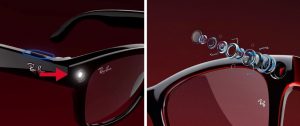
Google Glass ran into this exact issue. People didn’t want to be filmed without knowing. That social discomfort killed the product faster than any technical failure did. The companies making these now seem aware of this, but I’m not sure a small LED light is a satisfying answer. It’s one of those problems where the technology has outpaced the social norms around it, and we’re all sort of improvising.
Battery life is still genuinely annoying
The Ray-Ban Meta glasses get around four hours of mixed use. Other models are similar. That’s not a dealbreaker if you’re using them for specific tasks, but it does limit how seamlessly they can replace anything you currently use. You’re still thinking about charging them, still aware of them as a device rather than just glasses.
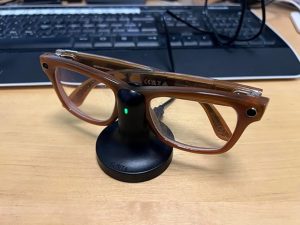
This will probably improve. Most hardware gets better over time. But right now it’s a real limitation worth knowing about before spending a few hundred dollars.
Who should actually buy these?
Honestly, right now? Probably tech enthusiasts who want to experiment, people with specific professional needs, or anyone who’s genuinely curious and has money to spend on something that’s still developing. For most people, the current generation is more interesting than it is practical. That said — and I didn’t expect to feel this way after trying them on — I think this category is closer to something real than it’s been at any previous point. The glasses I tried looked normal. They were light. The AI assistant worked better than I anticipated. Whether that’s enough depends on what you need from them. For me, not quite yet. But I’ll probably check again in a year or two.